

WPL Stars Like Devine Praise Indian Grind, Jhandi Munda Real Cash Apk

Published 2026-10-26 · By Ishita Verma (Senior Features & Tournament Writer · Jaipur Desk)
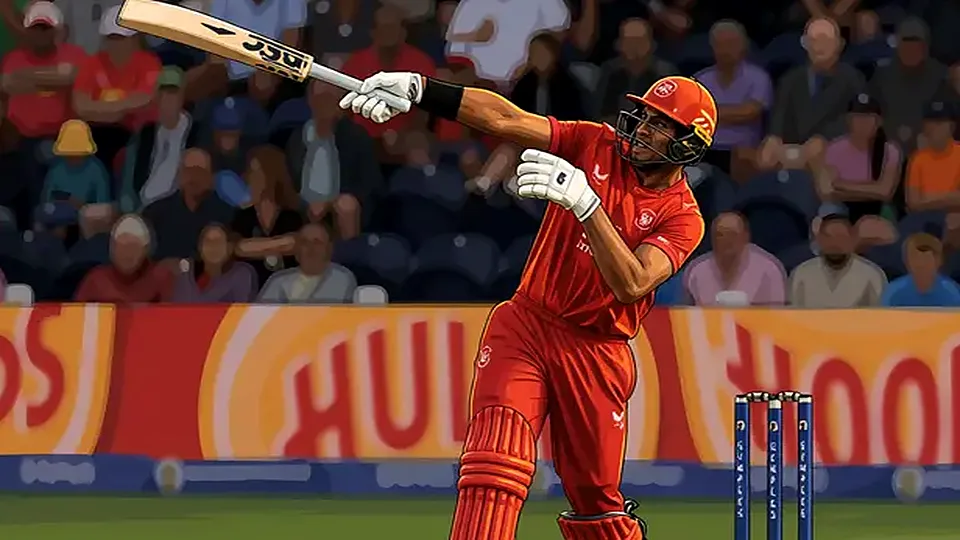
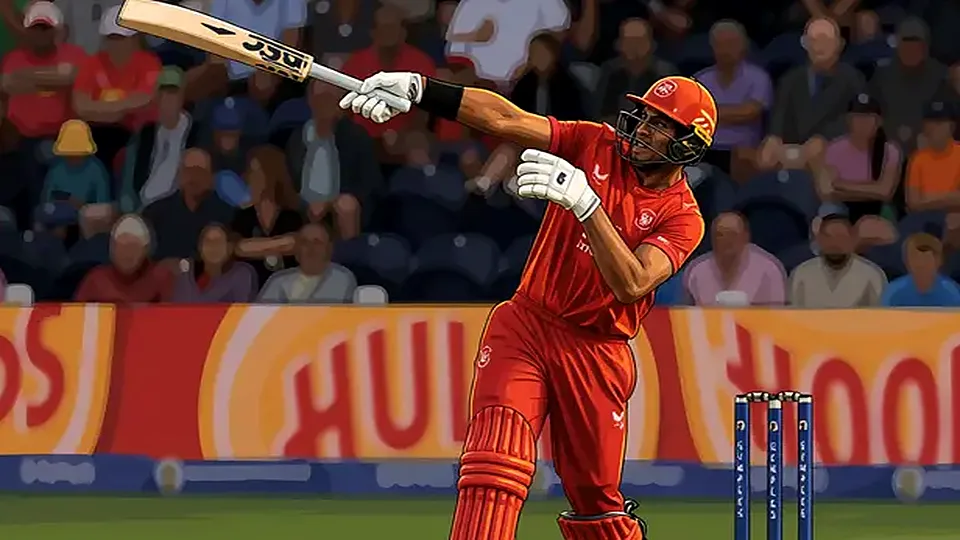
The dew factor after 8:30 PM IST is already thickening over the Chinnaswamy turf. It’s the kind of evening that can ruin a bowler’s plan. Sophie Devine, the Kiwi powerhouse, didn’t need a map to find the gap. She just hit it. But her post-match interview from last week’s WPL fixture dropped a bomb. Not about her own stats. About the Indian support system. “Domestic players make the difference,” she said, her voice echoing off the boundary ropes. “They are match-winners.”
The Local Edge
That line carries weight. In the WPL, teams often lean on international marquee names for instant impact. But Devine’s observation cuts through the usual narrative. The Indian players, honed in the Ranji grind, know the skiddy hard length of these green strips. They know how the ball behaves when the air is sticky. It’s a subtle advantage, but in T20, subtlety kills.
I remember a similar dynamic during a recent domestic series in Jaipur. A young off-spinner, barely out of her college cricket setup, had been bowling into the pitch for twenty overs. The seniors in the dressing room respected her footwork. They knew she wouldn’t get picked out. That same respect is now visible in the WPL squads. The domestic contingent isn't just filling out the list; they’re the tactical backbone. Kashisatta India notes that local cricket insights are increasingly valued in fantasy data analytics, reflecting this shift from pure star power to structural depth.
“The Indian players have handled the scoreboard pressure better than anyone. They’ve been through the local grind. That’s their strength,” Devine added.
Reading the Room
It’s not just about skill. It’s about headspace. WPL is a new format. New stakes. New scrutiny. For a young Indian batter, the pressure of bowling at a top international all-rounder is a different beast than facing a local fast bowler. Yet, the domestic pathway creates a resilience that’s hard to teach. You learn it by failing in a Ranji semi-final at a dusty net in Mumbai. You learn it by bowling 14 overs of medium pace under a blazing sun. When that player steps into the WPL dressing room, she brings a calm that spreads. The new ball did the talking, but the experience sealed it.
Consider the Impact Player rule. It’s a gamble, but often the wrong choice. Teams swap a wicket-keeper for a part-timer, thinking it’s a free hit. It rarely is. The better moves, as Devine’s comment suggests, often rely on the depth of the domestic group. A player who can bowl a new-ball over, bat in the top five, and still field at the slip. That versatility comes from years of state-association pathways, not just a single T20 franchise.
Jaipur’s Silent Lesson
Back in Jaipur, the evening humidity at the local nets is a constant companion. Players are used to tracking a soft ball on a slow track. When they travel to Bengaluru or Mumbai, that adaptability is their superpower. The boundary-percentage might look different on a bigger field, but the instinct to place the ball in the gaps remains. Devine’s acknowledgment of this is refreshing. It moves the focus away from the big international names to the quiet workhorses who keep the team afloat on off days. Nobody in the dugout bought the excuse that the overseas stars were the sole reason for the win. They knew the local players had set the stage.
For the young Indian player, this validation is everything. It confirms that the hours spent in the net, the early morning runs, and the late-night practice bowls are paying off. It’s a message that the WPL is not just a stage for expats, but a true home-grown product. The domestic players are the glue. And in the high-pressure cooker of a WPL season, that glue holds everything together.
The season is young. But the trend is clear. The international stars provide the flair. The domestic players provide the foundation. And that foundation, built on years of Indian cricket tradition, is what will ultimately decide the title race. It’s a simple truth, but one that’s easy to overlook in the noise of the highlight reels. Not anymore.
Related coverage
- GT vs CSK IPL Showdown: Impact Player Gambit and Boundary Secrets in Ahmedabad – jhandi munda real cash apk Buzz
- Hardik's Mid-Overs Bleed: Why Jhandi Munda Real Cash Apk Betters MI's Math

Updated 2026-10-26 · Instant Rupee Deposits & 60s Withdrawals · 24/7 Support.
Access Official Shavian Portal →Senior Match & Odds Strategist · Mumbai Desk
Manish Patel has covered Indian cricket and digital sports from Mumbai for over a decade. At Shavian (shaviancockers.com), he leads investigative coverage on jhandi munda real cash apk, live match dynamics, and tournament strategy.
Reader Discussion & Match Reactions (7)4.7★ Community (7 Comments)
Verified Indian cricket reader perspectives & tactical debate on shaviancockers.com
Devine claims domestic depth wins games, but ignore the political headache this creates for selectors. Relying on Ranji-trained players over international stars risks alienating franchise owners who bought marquee names for instant brand value, not tactical subtlety.
Article mentions a young off-spinner from Jaipur gaining senior respect, but what about the women’s state associations struggling with basic infrastructure in North India? Real grassroots value isn't just about skill; it's about whether these players have consistent access to quality pitches for their daily grind.
The excerpt cuts off before listing specific strike rates, but Devine’s point about 'subtlety kills' in T20 contradicts current BCCI governance pushing for higher overs. If domestic players are playing conservative, sticky-wicket cricket, it clashes with the high-run rate targets set by franchise boards.
As a Test purist, I’m skeptical of a WPL narrative that romanticizes 'Indian grind.' The dew factor at Chinnaswamy is a venue-specific problem, not a proof of structural superiority. Using one evening match to validate a whole domestic pipeline is lazy analysis by the Jaipur desk.
The Jaipur college spinner reference is vital, but note that many such players emerge from state academies with limited funding. Highlighting this helps, but we need more coverage on how state associations like UP or MP are integrating these non-mainstream performers into the Ranji circuit before they reach WPL squads.
Wait for the full dataset before celebrating 'structural depth.' Without specific NRR figures or bowling speed metrics for the domestic contingent, Devine's quote is just opinion. Franchise analytics teams need hard numbers to prove local players outperform international stars in pressure overs, not just interviews.
@Rajesh_Bhatia You’re right that franchise owners care about brand, but Devine’s point about skiddy hard length is a concrete tactical edge they can't buy easily. The article’s reference to Kashisatta India’s fantasy data shift suggests the numbers are starting to back up this local advantage, so the risk might be lower than you think.
Join the Discussion (7 Reader Comments)
Related Articles
See All
Weatherley 88* sets standard as Hampshire sweep past Notts
Jul 19, 2026