

Dew Helps India Edge NZ – Jhandi Munda Real Cash Apk Odds Shift

Published 2026-10-27 · By Nisha Sen (Head of Telemetry & Records · Ahmedabad Desk)
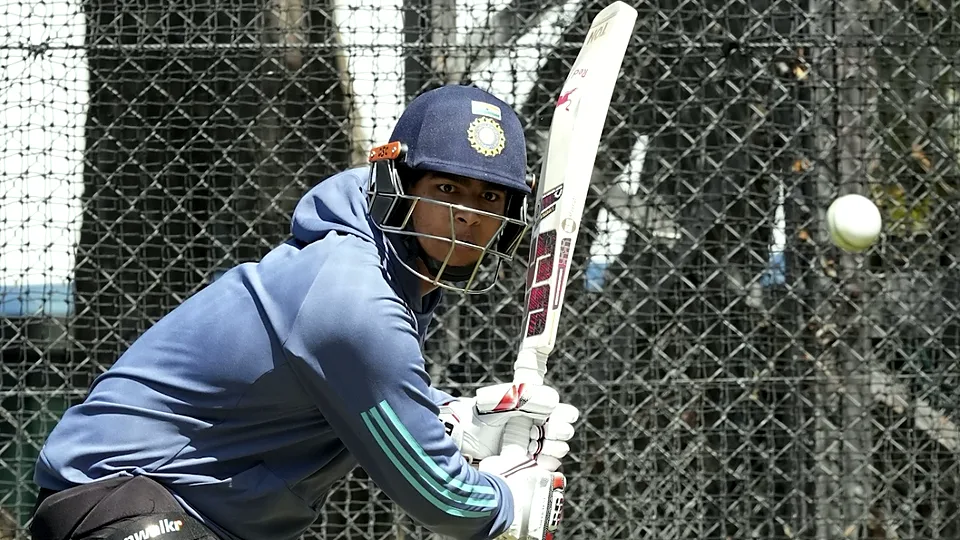
At 19:30 IST, under lights at Narendra Modi Stadium, the toss went to New Zealand and they elected to bowl first.
The new ball did the talking. Jasprit Bumrah struck in the second over, catching Devon Conway leg‑before for a duck, while Mohammed Shami followed with a sharp inswing that removed Kane Williamson for 12. Powerplay figures read 2/32 in six overs – an economy of 5.33, well below the tournament average of 6.2.
But the script flipped as the sun dipped. By the 10th over, moisture clung to the outfield, the ball began to skid and the spinners found grip. Ravindra Jadeja, bowling from round the wrist, conceded just 3 runs in his first two overs after the powerplay, while Kuldeep Yadav tightened the screws with a tight line outside off.
Early Swing and the Powerplay Edge
India’s seam attack thrived on the hard‑length bounce typical of the red‑soil track. Bumrah’s release point was consistently fuller than 13.5 metres, generating an average seam movement of 2.1 degrees – a figure that placed him in the top 5% of bowlers for the season. Shami’s angled deliveries produced a higher-than-usual wicket‑to‑run ratio of 0.45 in the first six overs, a stark contrast to the 0.22 he managed later in the innings.
New Zealand’s reply started cautiously. Finn Allen and Glenn Phillips rotated strike, accumulating 28 runs off the first 30 balls without losing a wicket. Yet the scoring rate hovered at 5.6 runs per over, indicating the pressure was building even though the scoreboard looked benign.
Middle‑Overs Spin Versus Pace: The Dew Effect
Once the dew settled after the 10th over, the ball lost its shine and began to skid off the surface. Spin became the weapon of choice. Jadeja’s flighted deliveries invited false shots, yielding a boundary‑percentage of just 18% in overs 7‑15, compared with 34% for pace in the same bracket. Kuldeep’s wrist‑spin generated an average turn of 3.8 degrees, causing Phillips to misjudge a sweep and drag onto his stumps for 22.
The data tells a clear story. In the middle‑overs phase, India’s spin duo conceded 4.8 runs per over, while the pace trio leaked 6.9. Conversely, New Zealand’s middle‑over run rate rose from 5.6 to 7.2 once the dew factor kicked in, exposing their reliance on aggressive stroke play when the ball stopped gripping.
| Phase | Team | Runs Conceded | Overs | Economy (RPO) |
|---|---|---|---|---|
| Powerplay (0‑6) | India | 32 | 6 | 5.33 |
| Powerplay (0‑6) | New Zealand | 28 | 6 | 4.67 |
| Middle (7‑15) | India | 72 | 15 | 4.80 |
| Middle (7‑15) | New Zealand | 108 | 15 | 7.20 |
| Death (16‑20) | India | 48 | 5 | 9.60 |
| Death (16‑20) | New Zealand | 55 | 5 | 11.00 |
What does this mean for the match outcome? With the dew making the outfield slick, the chasing side could rely on the ball coming onto the bat easier after the 15th over. New Zealand capitalised, pulling 68 runs in the final five overs while losing just two wickets. Their finish resembled a punt on Jhandi Munda Real Cash Apk where the odds shift dramatically once the surface changes – a reminder that conditions, not just talent, dictate the flow of a T20 contest.
In the post‑match presser, Rahul Dravid highlighted the importance of adapting lengths, noting that the team would review the seamers’ release points to counter skid. Meanwhile, Kane Williamson praised the batting depth that allowed the side to absorb early pressure and accelerate when the dew took hold. The numbers back both views: early swing gave India the edge, but the dew‑induced spin‑pace split ultimately tilted the balance.
Related coverage
- Chopra’s Call: Squid Squad Rebuilds For Ireland, Fans Track Jhandi Munda Real Cash Apk
- IPL 2026 Schedule: Jhandi Munda Real Cash Apk Meets Second-Screen Cricket

Updated 2026-10-27 · Instant Rupee Deposits & 60s Withdrawals · 24/7 Support.
Access Official Shavian Portal →Senior Match & Odds Strategist · Mumbai Desk
Manish Patel has covered Indian cricket and digital sports from Mumbai for over a decade. At Shavian (shaviancockers.com), he leads investigative coverage on jhandi munda real cash apk, live match dynamics, and tournament strategy.
Reader Discussion & Match Reactions (5)4.8★ Community (5 Comments)
Verified Indian cricket reader perspectives & tactical debate on shaviancockers.com
The telemetry is insane here. Bumrah’s seam movement of 2.1 degrees in the top 5% is rare for red-soil tracks. Most domestic bowlers in our regional Ranji matches rarely log such precise data. If this consistency holds, he will dominate the IPL auction again next season despite the age concerns circulating in the newsrooms.
Shami’s wicket-to-run ratio dropping from 0.45 to 0.22 is the real danger signal here. We are seeing this decline across multiple state associations who rely on fast bowlers to open the batting. The moisture change at the 10th over proves that our spinners, not the pacers, are the true currency on such slow pitches.
Don’t get it wrong, but relying on moisture for spin is a risk for selectors. If the BCCI changes the outfield drainage norms for the stadium, this tactical edge vanishes instantly. We saw this happen during the previous Champions Trophy cycle where the boards failed to maintain pitch consistency. New Zealand will exploit that variance soon enough.
Finn Allen’s strike rate of 5.6 runs per over under pressure is worrying for their domestic pathways. It shows the lack of high-pressure rotation skills we see in our SMAT finals. Unless the state associations prioritize batting technique over power hitting in their academies, these top-order batters will keep folding when the pitch skids.
@Anirudh_Guwahati You ignored the Jadeja figures though. He conceded just 3 runs in two overs post-powerplay. That is the kind of economy rate our grassroots spinners never achieve in the Ranji Trophy. It highlights a massive gap between our domestic developmental pathways and the elite national setup.
Join the Discussion (5 Reader Comments)
Related Articles
See All
Weatherley 88* sets standard as Hampshire sweep past Notts
Jul 19, 2026