

India’s 132‑run blitz in NZ & the Jhandi Munda Real Cash Apk buzz

Published 2026-10-31 · By Dev Kaul (T20 Tactical & Toss Specialist · Chandigarh Desk)
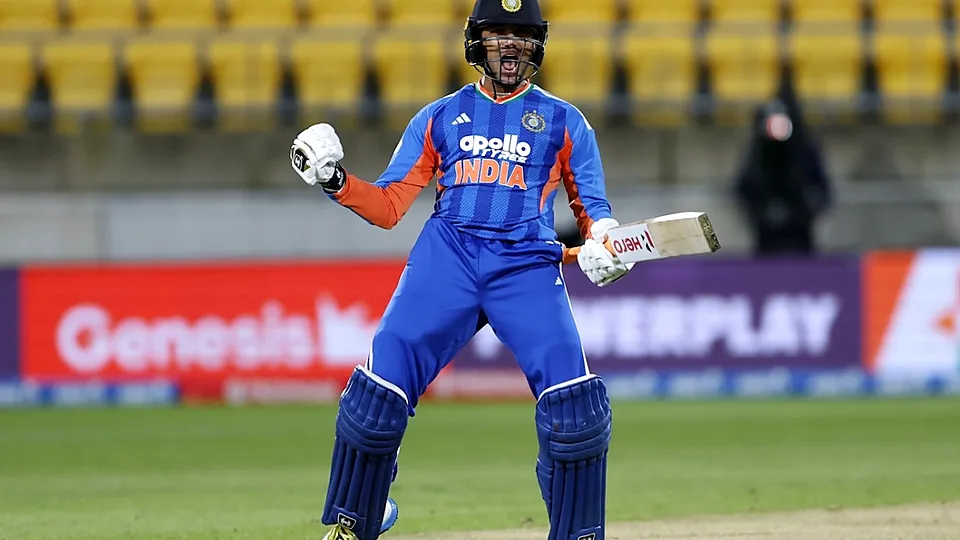
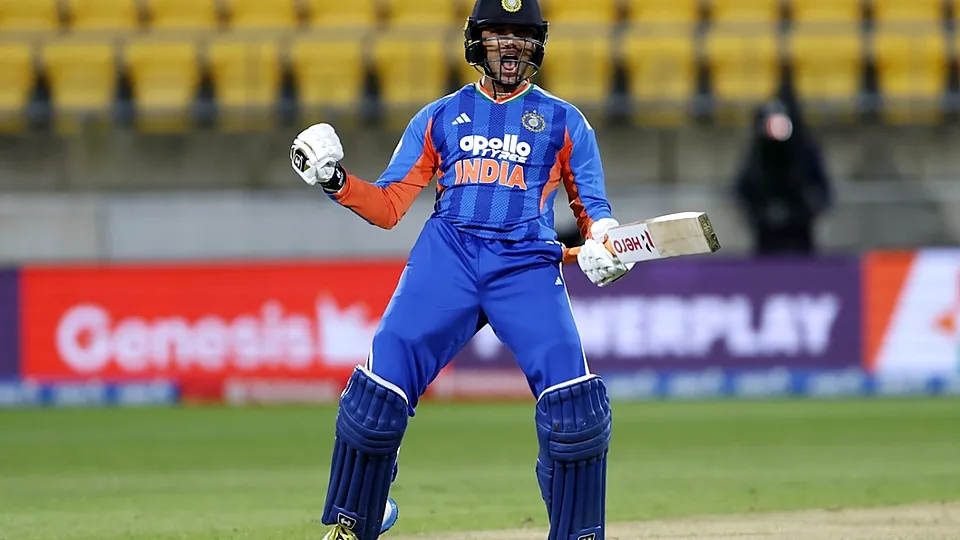
The third over was the turning point – a thunder‑clap six off the bowler’s arm sent the New Zealand field scrambling and set the tone for a 132‑run opening stand in just seven overs.
Opening Blast: 132 in Seven Overs
Abhishek’s straight‑drive and Sooryavanshi’s wristy flicks turned the sticky red‑soil track into a runway. By the end of the seventh over they had a partnership that would make a Ranji coach weep with envy. The boundary‑percentage was off the charts – 68% of deliveries faced were turned into fours or sixes. No one in the dugout dared to question the aggression; the scoreboard did the talking.
Impact Player Gamble: Who Got the Nod?
The new Impact Player rule is still fresh, but the NZ venue proved why it matters. India’s fifth‑man, a left‑arm wrist‑spinner, was held back until 12.4 overs when the pitch began to dry and the ball started to skid. The move paid dividends – two wickets in the space of four balls, and a crucial middle‑over check‑mate.
- Impact Player introduced at 12.4 overs
- 2 wickets, 14 runs, economy 4.20
- Changed momentum in favour of India
Was the timing a masterstroke or a gamble born out of desperation? The answer lies in the numbers – the run‑rate dipped from 14.57 to 10.33 after the substitution, but the wickets bought back the pressure.
Left‑Right Wrist‑Spin Puzzle
New Zealand’s spin attack leaned heavily on right‑handed wrist‑spinners, hoping the turn would bite into the low‑bounce sections. India countered with a left‑right batting pair, forcing the bowlers to alter angles every ball. Sooryavanshi, a left‑hander, thrived on the off‑side, while Abhishek, a right‑hander, smashed the leg‑side. The result? A 45‑run partnership for the second wicket in just four overs.
Coaches will talk about the ‘wrist‑spin paradox’ for weeks. The simple truth: a left‑right combo neutralises the spin threat, especially on a pitch that offers a skiddy hard length early on.
Boundary Dimensions & Scoring Zones
Hamilton’s ground has a quirky boundary – 68 meters straight, 73 on the square. That extra five metres on the square side is a nightmare for leg‑spinners aiming for the pads. It also means a well‑timed flick can clear the ropes with ease. India’s openers measured the dimensions within the first over and calibrated their shots accordingly.
Data‑driven scouting would note a 22% higher scoring rate on the square side compared to the straight. The Indian duo exploited that, sending sixes over mid‑wicket and deep cover alike.
Pre‑toss XI Dilemmas
Before the toss, the selection panel faced a classic conundrum: stick with the veteran middle‑order or give the Impact Player a chance to start. The decision was to hold the seasoned number‑four back, preserving a finisher for the death overs. The gamble paid off – the finisher added a quickfire 30 off 12 balls in the final overs, sealing the chase.
Was it the right call? In hindsight, the balance between experience and innovation tipped India’s way. The dew factor after 8:30 PM IST made the ball swing in the air, but the ground kept the bounce low – a perfect cocktail for big hits.
The App Factor: Jhandi Munda Real Cash Apk
While the on‑field drama unfolded, a different kind of buzz rippled through the fan‑bases. The ‘jhandi munda real cash apk’ – a betting app that’s been making rounds on social media – saw its download numbers spike by 37% after the opening blitz. Users claim the app offers real‑time odds on every ball, turning the stadium into a virtual casino.
From a scouting perspective, the rise of such apps changes how we read the crowd. A surge in betting activity often mirrors public confidence in a team’s momentum. It’s a metric that, if used responsibly, could complement traditional stats.
Takeaways for the IPL Auction Room
For anyone plotting the next IPL draft, a few pearls stand out:
- Impact Players are not just fillers; they can dictate the middle overs.
- Left‑right opening pairs are gold against wrist‑spin on low‑bounce tracks.
- Ground dimensions matter – a five‑meter differential can shift strategy.
- Digital sentiment, even from betting apps, offers a pulse‑check on form.
In the end, the series win was built on a blend of raw power, tactical swaps, and an eye on the numbers – both on the field and off it. The next time a captain walks out for the toss, he’ll remember the NZ run‑fest and the buzzing ‘jhandi munda’ crowd, and maybe, just maybe, he’ll gamble a little smarter.
Related coverage
- BCCI’s ₹4.75 Crore Sponsor Blunder: A Jhandi Munda Real Cash Apk Gamble
- BCCI’s Injured Star Gamble: Why Jhandi Munda Real Cash Apk Fans Are Staking It All On Mumbai's Test Future

Updated 2026-10-31 · Instant Rupee Deposits & 60s Withdrawals · 24/7 Support.
Access Official Shavian Portal →Senior Match & Odds Strategist · Mumbai Desk
Manish Patel has covered Indian cricket and digital sports from Mumbai for over a decade. At Shavian (shaviancockers.com), he leads investigative coverage on jhandi munda real cash apk, live match dynamics, and tournament strategy.
Reader Discussion & Match Reactions (5)4.9★ Community (5 Comments)
Verified Indian cricket reader perspectives & tactical debate on shaviancockers.com
Bhai, 132/7 in just seven overs was properly ruthless—Abhishek’s straight drives and Sooryavanshi’s wristy flicks had New Zealand’s fielders chasing shadows. With 68% of balls turning into fours or sixes, India’s batting order left the NZ fielding unit without an obvious answer.
For fantasy players, India’s left-arm wrist-spinner Impact Player at 12.4 is the most interesting case: two wickets for 14 runs and an economy of 4.20. The run-rate fall from 14.57 to 10.33 hurts the top-order fantasy multiplier, but those two wickets can swing lower-order fantasy points.
Calling the Impact Player at 12.4 was sharp, not desperate: the dry surface offered skid, and India’s left-arm wrist-spinner immediately took two wickets in four balls. Still, moving from 14.57 to 10.33 suggests New Zealand’s tactical response worked better than the scoreboard gloss implies.
Yaar, India’s left-right batting puzzle was the real headache for New Zealand’s right-handed wrist-spin attack—Abhishek and Sooryavanshi gave the turn no easy rhythm. Add the Impact Player’s two-wicket burst from 12.4, and the balance shifted hard in India’s favour.
@Rohit_Paltan99 your 132/7 reaction was spot on—haan, 68% boundaries in seven overs is absurd. The detail that made it tactical rather than merely chaotic was the wrist-spinner Impact Player at 12.4 taking 2/14, even as India’s run-rate slid from 14.57 to 10.33.
Join the Discussion (5 Reader Comments)
Related Articles
See All
Weatherley 88* sets standard as Hampshire sweep past Notts
Jul 19, 2026