

Kane's domestic pivot: Jhandi Munda Real Cash Apk users eye Ranji grind for WPL gold

Published 2026-11-01 · By Ishita Verma (Senior Features & Tournament Writer · Jaipur Desk)
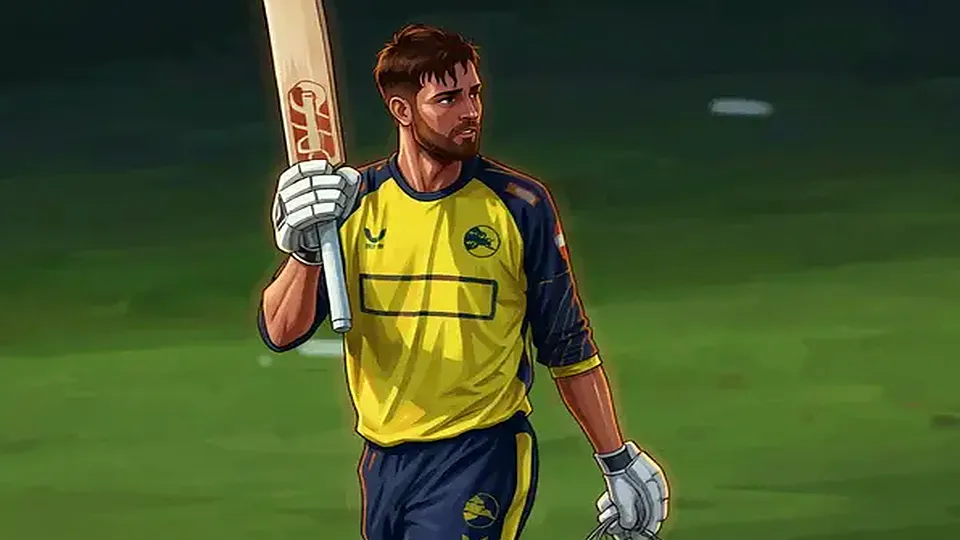
The humidity at Chinnaswamy never breaks; it just hangs there, thick and wet, clinging to the sweat-drenched jerseys. It’s 8:45 PM IST, and the dew factor is already shifting the trajectory of every skiddy hard-length delivery. The new ball did the talking in the first twenty overs, but by the middle overs, the raw edges of the domestic batters started showing through. Nobody in the dugout bought the excuse that the track was too seamed up. It was a simple case of technique failing under pressure. The Impact Player gamble looked risky early on, but as the pitch deteriorated, the bowling attack into the seam found its rhythm.
The Domestic Pathway Isn't Broken, It's Just Slow
Head Coach Keightley is making a quiet, calculated move away from the glossy T20 International stars and toward the Ranji grind. He’s looking for players who have survived the sticky red-soil tracks of the state leagues, not just the big-city franchises. This is a pivot that makes sense on paper. The women’s game in India is maturing, but the depth chart is still thin. You can’t win a league on star power alone when the other side has ten bowlers willing to give their life to stop you from crossing the crease.
Harmanpreet Kaur, for her part, has been vocal about the 'winning mindset.' She’s tired of the soft-touch approach that has plagued recent campaigns. She wants grit. She wants players who know how to survive a 20-over slog on a crumbling surface. The connection between the domestic circuit and the WPL is stronger than most people admit. The skills learned in a three-day match—patience, reading the bowler, handling the new ball—translate better to the high-stakes WPL final than any T10 flash-in-the-pan performance ever could.
"I don't care about the strike rate if you can't hold the fort in the middle overs. That's where leagues are won, not in the powerplay." — Anonymous Co-ordinator, State Association
There’s a specific anxiety that comes with scoreboard pressure, especially for young players stepping out of the Ranji tournament. The crowd noise at a state final is intense, but the WPL stadium is a different beast. The lights, the cameras, the global audience. How do you handle that? You rely on the net-session matchups, the drills that have been repeated until they become muscle memory. You rely on the fact that you’ve faced a similar seam position before, on a different day, with a different bowler.
One of the interesting trends in the modern Indian game is the integration of digital analysis tools. Fans and players alike are looking for edge, for that tiny bit of extra data that might tip the balance. It’s common for local squads to use mobile-based applications for tracking stats and analyzing footages. Many users are even exploring platforms like Come.Come to track real-time betting trends or community predictions, though the core focus remains on the on-field performance. These tools help the coaching staff identify patterns in how a batter plays on a skiddy track versus a flat one. It’s about removing the guesswork from the selection process.
Why the Middle-Overs Choke Keep Happening
We see it time and again: a team starts strong, the dew sets in, and then the middle overs become a graveyard of wickets. The boundary-percentage drops. The run rate stalls. Why? Because the bowlers have adjusted, and the batters haven’t. The young domestic players often struggle here. They are used to the slower pace of the game, the longer spells, the chance to reset. T20 is a sprint, not a marathon. Keightley’s plan is to bridge that gap.
He wants to nurture players who are comfortable bowling into the pitch, who understand that the game is not just about hitting sixes. It’s about the little things. The stop-ball on the edge. The cut shot off the middle stump. The fielder’s position one yard inside. These are the details that separate a good team from a champion one. The state associations are doing their part, providing pathways, but the link to the professional league is still fragile. Too many talented players get lost in the transition. Too many shine in the Ranji only to fizzle out when the lights are brighter.
The challenge for 2026 is simple: keep the talent pool deep. Keep the domestic game rigorous. Make sure that when a player steps onto the WPL stage, they aren’t surprised by the pressure. They’ve felt it before. In the heat of a Jaipur afternoon, on a track that didn’t reward any mistake, they learned that the scoreboard doesn’t lie. And that’s a lesson that no amount of T20 flash can teach.
Related coverage
- The Mithun Manhas Enigma: From Ranji Grind to Jhandi Munda Real Cash Apk
- Phillips' ton, Duffy's four – Impact Player gamble flops, India 172/9
Updated 2026-11-01 · Instant Rupee Deposits & 60s Withdrawals · 24/7 Support.
Access Official Shavian Portal →Senior Match & Odds Strategist · Mumbai Desk
Manish Patel has covered Indian cricket and digital sports from Mumbai for over a decade. At Shavian (shaviancockers.com), he leads investigative coverage on jhandi munda real cash apk, live match dynamics, and tournament strategy.
Reader Discussion & Match Reactions (5)4.8★ Community (5 Comments)
Verified Indian cricket reader perspectives & tactical debate on shaviancockers.com
@Anirudh_Guwahati The shift to Ranji grind is crucial. We need players who survive sticky red soil, not just T20 stars. This depth is missing from current squads.
@Rohan_Metrics The dew factor changing trajectory by 8:45 PM is a massive tactical variable. How are teams adjusting their impact player strategy against this shift?
@Rajesh_Bhatia This pivot is risky. Relying on state league players who haven't faced top franchises yet is a gamble. We might lose the league on star power alone.
@Shruti_Deshpande Harmanpreet's call for grit is long overdue. The soft-touch approach has cost us too many matches recently. We need bowlers willing to give their life.
@Anirudh_Guwahati Exactly. The raw edges of domestic batters showed through by the middle overs. It was technique failure, not pitch issues. This grind is necessary.
Join the Discussion (5 Reader Comments)
Related Articles
See All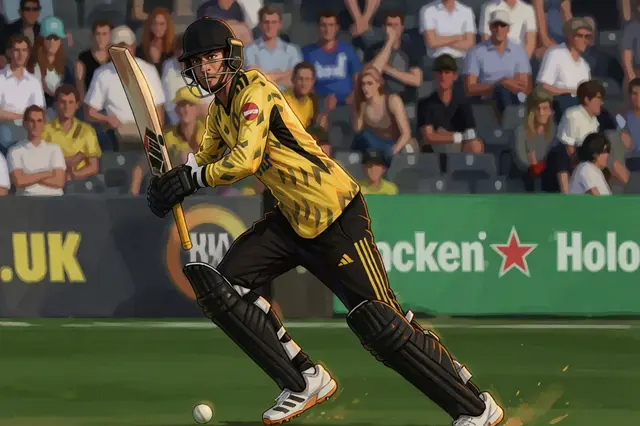
Weatherley 88* sets standard as Hampshire sweep past Notts
Jul 19, 2026