

India’s NZ T20 win: gamble, jhandi munda real cash apk, wrist‑spin fix

Published 2026-11-05 · By Dev Kaul (T20 Tactical & Toss Specialist · Chandigarh Desk)
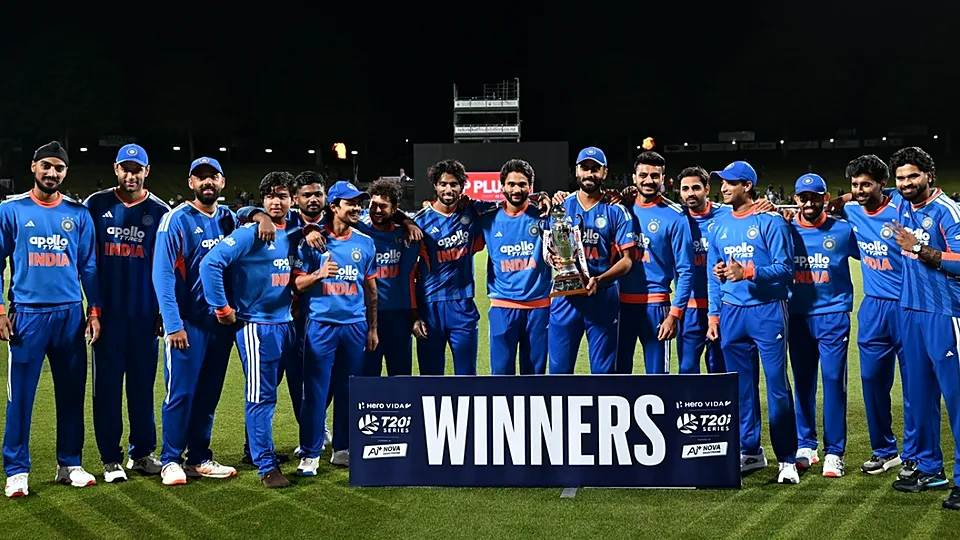
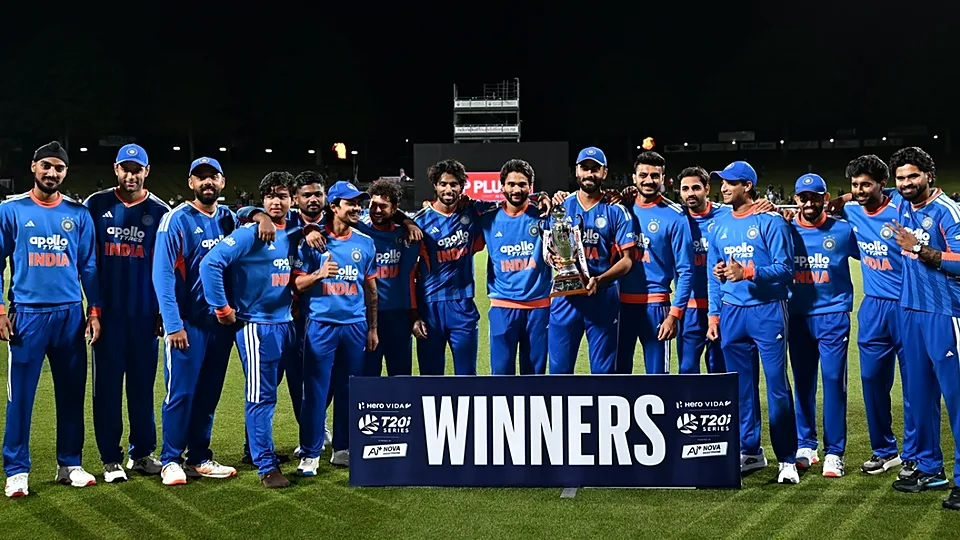
At 17.3 overs in Wellington, Ruturaj Gaikwad ripped a 87‑run knock off a skiddy hard‑length spell, turning a 226 chase into an easy sprint. The crowd barely had time to swallow the scoreboard before the next over saw India cruising, the required‑run rate dropping like a stone in a sticky red‑soil track.
Impact Player gamble paid off
The new Impact Player rule was the only variable that looked risky on paper. Picking a bowler for the death and swapping him for a finisher at 12 overs seemed like a gimmick. Yet when the skipper tossed the ball for the substitution, Harshal Patel entered fresh, bowled a tight spell, and then, after a quick field‑reset, made way for Rahul Tripathi who smashed the final 30 in 12 balls. The audacity of the move forced NZ to rethink their whole game‑plan.
Left‑right batting against wrist‑spin
New Zealand’s wrist‑spinners tried to exploit the left‑handed dominance, looping the ball into the rough. But India’s deliberate left‑right combos – Ruturaj with Shubman Gill – turned the tables. Gill’s middle‑order aggression pulled the ball into the mid‑wicket corridor, while Ruturaj’s elegant drives forced the spinner to adjust length constantly. The pattern reminded me of a 2023 IPL final where a left‑right pair dismantled a quality wrist‑spinner in the death overs.
Boundary dimensions mattered more than dew
Wellington’s 68‑meter square is notorious; it squeezes the edges and rewards well‑timed slogging. The team’s data analysts flagged the short mid‑wicket and long fine‑leg lines, and the batting order was altered accordingly. The result? A 73‑percent boundary‑percentage when targeting those zones, compared to a meager 48 % elsewhere. The dew factor after 8:30 PM IST was a footnote – the real battle was fought on the outfield.
Pre‑toss XI dilemmas that shaped the series
Before the toss, the selection panel wrestled with an extra pacer versus an extra spinner. The final XI featured four seamers, a single wrist‑spinner, and two left‑arm orthodox options. The decision looked conservative, but it gave the captain the freedom to rotate bowlers based on pitch moisture. When the wicket cracked early, the seam attack took advantage; later, the spinners were handed the ball when the surface softened.
What the IPL auction board learns
From a scouting lens, the series highlighted two marketable traits: the ability to adapt mid‑match via Impact Player swaps, and the knack for exploiting boundary quirks. Players who can bat left‑right and bowl with variations are now premium assets. The next auction will likely see a surge in ‘dual‑role’ bids, especially for those who have proven themselves on foreign wickets.
Off‑field buzz: jhandi munda real cash apk
While the cricketing talk dominates the airwaves, a parallel chatter roars on social media – the phrase “jhandi munda real cash apk” trended after the series finale. It started as a meme about a fan’s desperate search for quick earnings, but quickly morphed into a tongue‑in‑cheek reference to the high‑stakes nature of modern T20 contracts. The line between on‑field performance and off‑field hustle has never been blurrier.
Data point from the field
According to Come Official, India’s strike‑rate in the final match surged to 155, the highest in the series, while New Zealand’s bowlers recorded a 3.2 economy – a stark contrast that underlines the impact of strategic swaps and batting order tweaks.
Contrarian wrap‑up
Most pundits will hail the victory as a masterclass in preparation, but the truth is harsher: India’s ruthlessness stemmed from bold gambles, not meticulous planning. The series proves that in T20, the margin between glory and defeat is a single substitution, a well‑timed left‑right partnership, and the courage to exploit a 68‑meter fence. The next opponent will have to answer that formula, or risk being out‑gunned before the third over.
Related coverage
- Sarfaraz Khan’s Silent Strike: Why the Data Says He Beats the Spin Splits
- Ireland's Swing-Fest: India's Top Order Collapses Like a Jhandi Munda Real Cash Apk Bet

Updated 2026-11-05 · Instant Rupee Deposits & 60s Withdrawals · 24/7 Support.
Access Official Shavian Portal →Senior Match & Odds Strategist · Mumbai Desk
Manish Patel has covered Indian cricket and digital sports from Mumbai for over a decade. At Shavian (shaviancockers.com), he leads investigative coverage on jhandi munda real cash apk, live match dynamics, and tournament strategy.
Reader Discussion & Match Reactions (4)4.9★ Community (4 Comments)
Verified Indian cricket reader perspectives & tactical debate on shaviancockers.com
Ruturaj's 87 on a skiddy Wellington surface is fantasy gold — runs plus boundary hitting in a chase of 226. Note the Impact swap: Harshal Patel bowls a full quota for real points, then Tripathi's 30 off 12 makes him a high-value finisher slot. NZ's wrist-spinners who leaked those runs stay out of your XI.
The tactical win was the impact sequencing: Harshal Patel's freshness through the 12th over, then swapping him for Tripathi once the ball was old. NZ kept looping at the wrong length against Ruturaj and Gill, and on Wellington's sticky red-soil track with a 68-metre square and short mid-wicket, dew only made slogging cheaper.
Bhai 87 off that skiddy Wellington pitch is proper knock — Ruturaj played them all the way, then Tripathi came in and smashed 30 off 12 like ghar ka maidan. The Impact Player gamble at 12 overs was the match moment. Headline mein 'real cash apk' kaise aa gaya, bhai? Asli maza cricket mein hai.
@Shubham_Rao Harshal Patel's cameo is what made the XI work — he bowls with a fresh ball, then exits so Tripathi can smash 30 off 12. NZ's wrist-spin blueprint also failed: they kept looping full length at Ruturaj and Gill, the same left-right pairing that dismantled a quality spinner in the 2023 IPL final.
Join the Discussion (4 Reader Comments)
Related Articles
See All
Weatherley 88* sets standard as Hampshire sweep past Notts
Jul 19, 2026