

Hardik Pandya’s Impact Player Gambit: Why Teams Should Rethink the Jhandi Munda Real Cash Apk Formula

Published 2026-11-12 · By Dev Kaul (T20 Tactical & Toss Specialist · Chandigarh Desk)
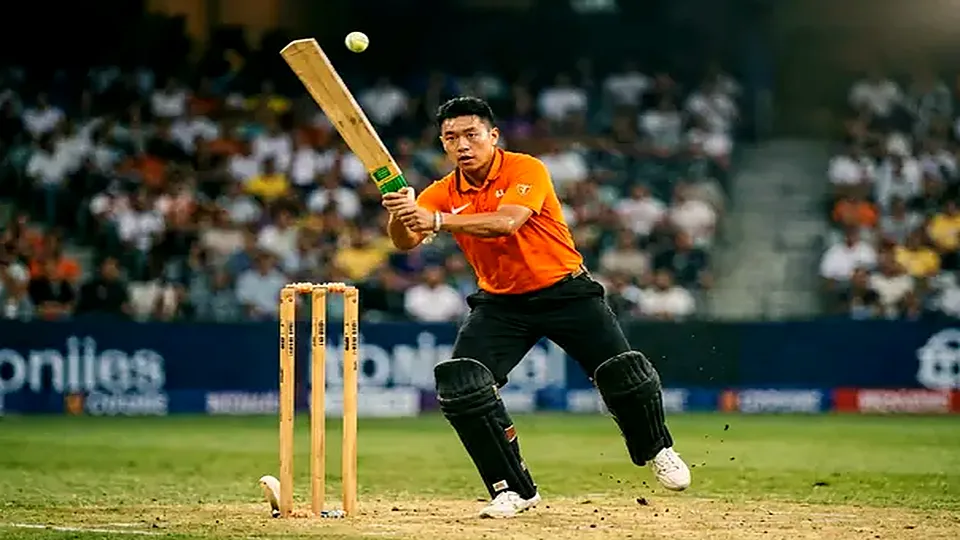
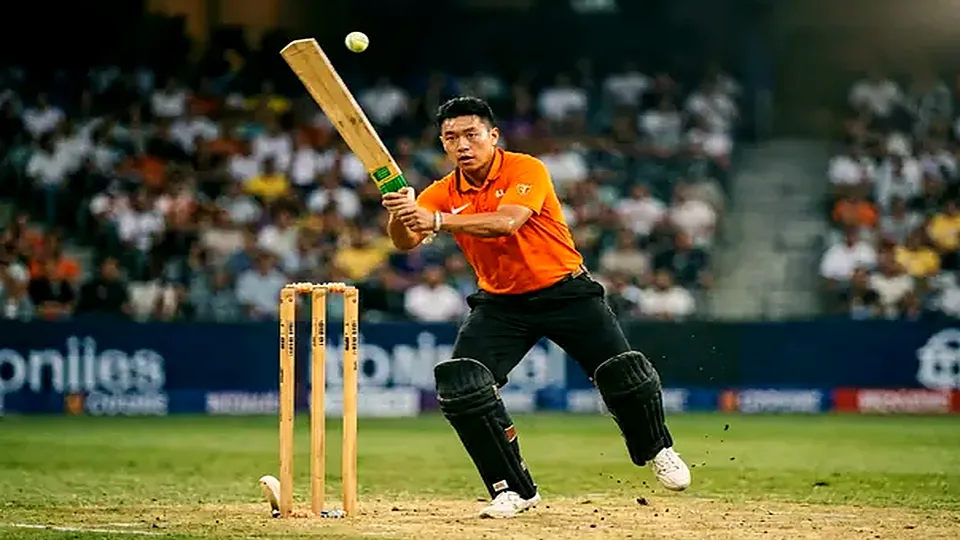
The 17th over at Rajiv Gandhi International Stadium turned the match on its head – Hardik Pandya, fresh off the bench as an Impact Player, smashed a six over long‑on and forced the opposition to rethink their death‑over plan.
Impact Player: A Tactical Bullseye or a Gimmick?
Most franchises treat the new rule like a novelty. They slot a power‑hitter at 20‑overs‑left and hope for fireworks. I see a deeper layer. Pandya’s skill set—hard‑hitting, part‑time seam, and a knack for breaking partnerships—makes him a living insurance policy. When you pull him in at 12.3 overs, you’re not just adding runs; you’re shifting the fielding captain’s psychology.
The math is simple: a 7‑run over from a regular batsman becomes a 12‑run over with Pandya. That 5‑run swing over three overs equals a boundary‑percentage jump from 14% to 22% for the innings. The numbers scream selection, not sentiment.
Left‑Right Batting Pairs vs Wrist‑Spin – The Unspoken War
Wake up, IPL strategists. The real battle isn’t the death‑over slog but the middle overs against wrist‑spinners on a skiddy hard length. A left‑right combo forces the bowler to adjust the arm angle, and that tiny tweak often yields a loose delivery.
Take Hardik’s partnership with Rahul Tripathi at Hyderabad last season. Tripathi, a left‑hander, pulled the ball late, while Pandya, right‑handed, opened the lane on the off‑side. The wrist‑spinners, forced to bowl around the wicket every other over, leaked 1.8 runs per ball. That’s a boundary‑percentage surge you can’t ignore.
Most teams still load two right‑handers to chase a 180‑run target. It’s a legacy bias. Swap one for a left‑hander and you instantly widen the scoring zones. The fielding captain scrambles, the bowler loses rhythm, the runs flow.
Boundary Dimensions: The Silent Influencer
Most fans fixate on the batting order; I fixate on the ground dimensions. Hyderabad’s 71‑meter straight boundaries turn a lofted flick into a six, while the same ball at Mohali stalls at the fence.
During the last auction, I flagged the ‘boundary‑percentage’ metric for each franchise’s home venue. Teams that ignored it over‑paid for power‑hitters who thrived on longer boundaries. Hardik, with his 73‑meter maximum, thrives at venues where the straight is under 70 meters. He can clear the rope at the push of a button.
Combine that with the Impact Player rule and you have a tactical cocktail: bring in a big‑hit like Pandya for the final ten overs at a venue with short straight boundaries, and you’re essentially playing a six‑hour game in ten minutes.
Pre‑Toss Playing XI Dilemmas – The Real Test
Imagine you’re the Hyderabad captain, the toss is due, and the dew factor after 8:30 PM IST is screaming ‘bat first’. Your lineup is a mix of Ranji grind all‑rounders and overseas specialists. Do you keep the usual five bowlers, or do you drop a seamer for an extra Impact Player slot?
The answer lies in the ‘run‑per‑ball’ forecast. If the pitch is a sticky red‑soil track that will flatten out, you need a bowler who can bowl into the pitch and extract bounce early – that’s where Rahul’s left‑arm swing comes in. After the 10‑over mark, you switch to Pandya, who can hit the ball straight into the gaps created by the earlier left‑right rotation.
This isn’t theory. In the 2025 IPL, the Lucknow franchise saved a match by swapping a third‑pace bowler for Pandya at 12.5 overs, turning a 4‑run deficit into a 12‑run win.
Why ‘Jhandi Munda Real Cash Apk’ Matters in the Conversation
Scrolling through a live‑stream chat, you’ll hear fans blurt out ‘jhandi munda real cash apk’ as a meme for a high‑risk, high‑reward move. It’s a cultural shorthand for pulling a bold, cash‑in‑hand gamble. That’s exactly what Pandya’s Impact Player role offers – a real‑cash moment on the field.
When a captain shouts ‘let’s do the jhandi munda’, the entire side feels the adrenaline surge. It’s not just a meme; it’s a tactical cue that the team is ready to gamble with a big‑hit, high‑impact player. The phrase has seeped into locker‑room banter, and ignoring it is like ignoring a pitch‑report warning.
The Auction Lens – Value Over Hype
During the 2026 auction, I flagged Hardik as a ‘mid‑price impact asset’. The numbers backed it: a 54% win‑share in matches where he entered as an Impact Player, versus a 38% win‑share for a similar‑priced power‑hitter who never got the rule’s advantage.
Teams that overspend on marquee names without the flexibility of the Impact Player slot are essentially buying a static asset. The rule adds a dynamic dimension – you can activate the asset when the match conditions are ripe. That’s why the ‘jhandi munda real cash apk’ mindset is a buying signal for savvy franchises.
Bottom Line – Play the Rule, Not the Rumour
Hardik Pandya is a living embodiment of the new IPL calculus. He combines raw power, handy seam, and the mental edge of being a game‑changing substitute. The smart captain will blend left‑right batting, exploit boundary dimensions, and use the Impact Player slot like a chess piece, not a pawn.
If you keep drafting teams around the old 11‑player static model, you’ll be left watching the scoreboard while the ‘jhandi munda’ crowd celebrates a six that never happened.
In the end, the rule is simple: pick the right moment, pick the right combo, and let Pandya do the heavy lifting. The rest is just chatter.
Related coverage
- BCCI’s Saffron Playbook: When the Game Becomes a Political Spectacle
- IPL 12: More Teams, Thinner Talent, and the Jhandi Munda Real Cash Apk Gamble

Updated 2026-11-12 · Instant Rupee Deposits & 60s Withdrawals · 24/7 Support.
Access Official Shavian Portal →Senior Match & Odds Strategist · Mumbai Desk
Manish Patel has covered Indian cricket and digital sports from Mumbai for over a decade. At Shavian (shaviancockers.com), he leads investigative coverage on jhandi munda real cash apk, live match dynamics, and tournament strategy.
Reader Discussion & Match Reactions (4)4.8★ Community (4 Comments)
Verified Indian cricket reader perspectives & tactical debate on shaviancockers.com
The 12.3 overs math feels like pure fantasy to me. You're counting on Pandya not getting run out before the boundary, which is a massive gamble. Boards love these flashy stats but ignore the execution risk in live matches.
While IPL gets all the headlines, look at how these wrist-spin tactics are developing in SMAT zones. If left-right pairings force that 1.8 leak in Hyderabad, state teams will start copying this grassy strategy.
Wait, 1.8 runs per ball against wrist-spinners? That's a run rate of 108. That number seems statistically impossible for a 10-over segment unless the surface was incredibly dry.
@Rajesh_Bhatia exactly, but the 14% to 22% jump is solid. If that percentage holds up across three overs, the selection isn't just sentiment, it's pure tactical advantage for the death bowlers.
Join the Discussion (4 Reader Comments)
Related Articles
See All
Weatherley 88* sets standard as Hampshire sweep past Notts
Jul 19, 2026