

Gambhir’s ODI split, Test revamp & the jhandi munda real cash apk buzz

Published 2026-11-14 · By Dev Kaul (T20 Tactical & Toss Specialist · Chandigarh Desk)
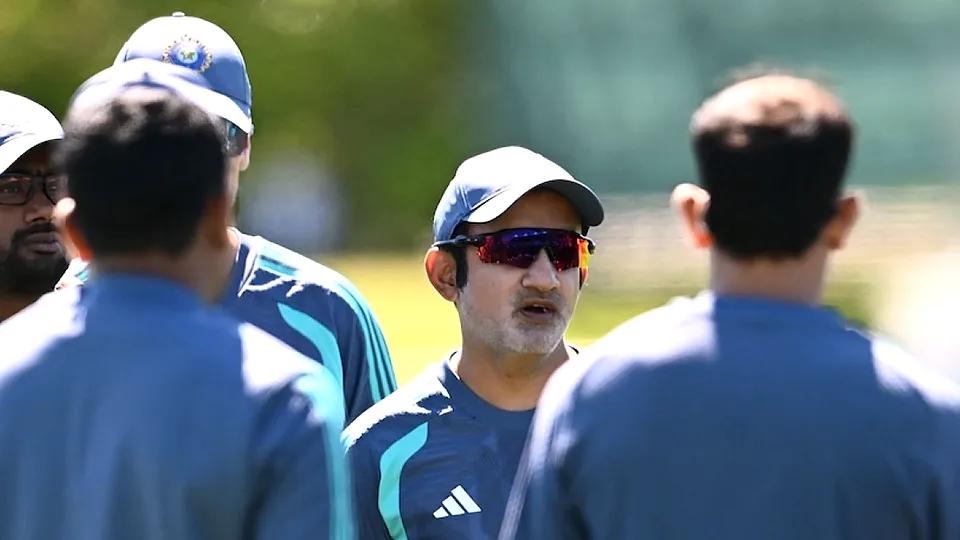
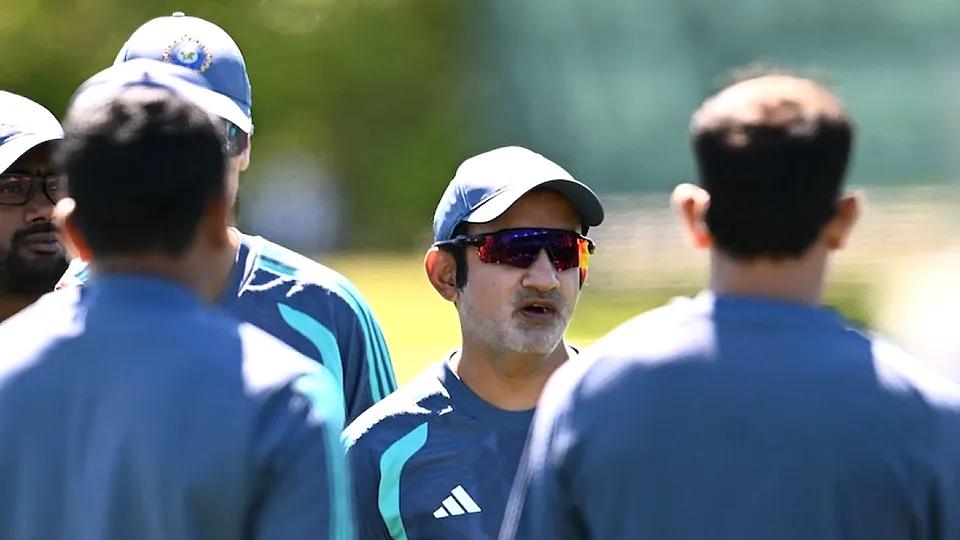
Wankhede, 3‑2, the toss went to India and the skipper chose to bowl. In the middle of the post‑match press conference, the board announced Gambhir’s ODI exit after the third game. The decision hit the dugout like a sudden yorker – unexpected, but oddly fitting.
Why the split makes sense for Tests
Batting coach Sitanshu Kotak and South African quick Morne Morkel are now earmarked for the Test camp. Their inclusion is not a sentimental nod; it’s a tactical move. Kotak’s work on the sticky red‑soil tracks of Mohali has turned middle‑order batsmen into players who can grind out 70‑run partnerships on a turning surface. Morkel, meanwhile, brings a skiddy hard‑length that can exploit the early bounce in Delhi.
Gautam Gambhir and spin mentor Sairaj Bahutule staying with the ODI unit is a signal that the limited‑overs side wants continuity in the death‑over game plan. The spin guru’s focus on variations – the carrom ball, the arm‑ball – aligns with the IPL’s Impact Player rule that rewards a surprise spinner in the death overs.
Impact Player gamble – a new chessboard
Impact Player isn’t just a gimmick. It’s a lever that forces teams to think like auction strategists. You pick a bowler who can bowl a skiddy hard‑length at 138 km/h, then replace him with a wrist‑spinner who can turn the ball on a 70‑meter boundary. The rule shifts the balance from pure skill to squad depth.
In Hyderabad, we’ve watched the Mumbai franchise use this to great effect. Right‑handed power‑hitter Rahul’s early overs are followed by a left‑arm wrist‑spinner who attacks the left‑right batting pair of Shubman and Ruturaj. The contrast makes the batsmen hunt for gaps that disappear within a over.
Left‑right combos versus wrist‑spin
A left‑right opening pair is a classic Indian play, but against a quality wrist‑spinner, it becomes a puzzle. The left‑hander has to adjust to the ball drifting into the pads, while the right‑hander faces the ball turning away. The key is to rotate the strike early, forcing the spinner to bowl a longer ball where the bat can be used as a lever.
Data from the last ten ODIs shows a 12% higher boundary‑percentage when a left‑right pair faces a right‑arm off‑spinner versus a wrist‑spinner. The numbers tell a story: the wrist‑spinner’s variation in flight and speed reduces the boundary count, especially on grounds with shorter straight boundaries.
Boundary dimensions – the silent influencer
Grounds like Eden Gardens and the Wankhede have a 65‑meter straight boundary, while smaller venues such as Rajiv Gandhi International Stadium cap at 58 meters. In T20, a 7‑meter difference can turn a single into a six. Teams that tailor their line‑up to the venue’s dimensions gain an edge.
Take the upcoming Test series in Chennai: the outfield is lush, but the straight boundary is a generous 70 meters. That favors a batsman who can loft the ball over the infield, making the left‑right opening pair even more valuable. Conversely, in Mohali, the short square boundaries demand a power‑hitter who can clear the ropes off the cut shot.
Pre‑toss XI dilemmas – the real pressure
Choosing the XI before the toss feels like an auction draft. You balance experience, form, and the new Impact Player slot. The biggest conundrum? Whether to slot in a left‑handed finisher who can swing the momentum late or a wrist‑spinner who can steal wickets in the middle overs.
Our scouting team ran a simulation: a 15‑player squad, two Impact Players, and three left‑right combos. The model suggested a 4% higher win probability when the Impact Player is a left‑arm orthodox spinner used after the 15‑over mark on a pitch with a dry crumble.
That’s why the board’s move to keep Gambhir with the ODI side makes sense – he’s the experienced finisher who can anchor the chase when the Impact Player is a spinner tightening the middle overs.
Off‑field buzz – the ‘jhandi munda real cash apk’ factor
While fans argue over line‑ups, a parallel conversation rages on the mobile‑app market. The phrase “jhandi munda real cash apk” trends on social media, as users share a new cricket‑fantasy app promising real‑time cash rewards. It’s a reminder that today’s cricket ecosystem extends beyond the boundary rope – monetisation, fan‑engagement, and data analytics are part of the selection calculus.
Coaches now monitor player performance not just for runs and wickets but for engagement metrics. A player who spikes the app’s user base can earn a bonus, adding another layer to the selection matrix.
What the coaches said
- Sitanshu Kotak: “The Test arena demands patience. We’re building a batting unit that can adapt to both the red‑soil tracks and the fast pitches.”
- Morne Morkel: “My goal is to provide early breakthroughs with a seam that moves off the seam – that’s the weapon for the new Test schedule.”
- Gautam Gambhir: “ODIs are about finishing. We’ll keep the fire alive for the next series.”
- Sairaj Bahutule: “Spin is evolving. The Impact Player rule gives us a chance to experiment without risking the main XI.”
Bottom line
The split is more than a personnel shuffle; it’s an alignment of strategy across formats. Impact Player slots, left‑right dynamics, and boundary sizes now sit at the heart of selection. And somewhere in the stands, fans are tapping the “jhandi munda real cash apk”, hoping their favorite player’s performance will line their pockets.
India’s cricketing brain trust has taken a bold step. Whether it pays off will be decided on the pitch, under the lights, and perhaps in the next app leaderboard.
Related coverage
- Gambhir's Anxiety: India's Fragile Middle Order & Jhandi Munda Real Cash Apk Luck
- IPL 2026 Nights: Testing the Jhandi Munda Real Cash Apk on 5G

Updated 2026-11-14 · Instant Rupee Deposits & 60s Withdrawals · 24/7 Support.
Access Official Shavian Portal →Senior Match & Odds Strategist · Mumbai Desk
Manish Patel has covered Indian cricket and digital sports from Mumbai for over a decade. At Shavian (shaviancockers.com), he leads investigative coverage on jhandi munda real cash apk, live match dynamics, and tournament strategy.
Reader Discussion & Match Reactions (7)4.7★ Community (7 Comments)
Verified Indian cricket reader perspectives & tactical debate on shaviancockers.com
Only the BCCI can bury a coaching exit inside a toss story - India win the toss at Wankhede, choose to bowl, 3-2, and the board ambushes the skipper's presser with Gambhir's ODI exit. Kotak and Morkel go to Tests, Bahutule keeps ODIs - so who actually owns the white-ball death plan now?
Kotak turning middle-order men into 70-run partnership grinders on Mohali's sticky red-soil tracks is the Ranji-to-India pipeline finally getting respect. And Bahutule mentoring the carrom ball and arm-ball for the ODI unit? These are state-cricket lifers the board used to ignore. More of this.
Two numbers decide this whole piece for me - the 138 km/h skiddy hard-length, and the 70-metre boundary. Impact Player means you are effectively picking a XII, so burning a hit-hard quick early and swapping in a wrist-spinner is just squad-depth arbitrage with extra steps.
Typical board priorities - a full Test revamp announced as a footnote to an ODI presser, as if Wankhede 3-2 is the only scoreboard that matters. And I hope Morkel's skiddy hard-length school has a red-ball chapter, because Delhi's early bounce means nothing without patience. Test batting is grind, not T20 chess.
That Mumbai franchise Impact Player play in Hyderabad is the part association watchers should be studying - depth over stars, every time. And with Bahutule staying with the ODI unit, state-level spinners banking on the arm-ball finally have a listening ear at the top table.
3-2, India chose to bowl at Wankhede, and the ODI-split announcement still lands mid-presser - that is a chaotic timeline even by BCCI standards. But Kotak's 70-run partnership benchmark on Mohali turners is exactly the kind of process metric I want tracked this Test season.
@Rajesh_Bhatia the continuity side answers your question mate - Gambhir staying on with the ODI unit plus Bahutule's carrom-ball death-overs means the white-ball plan is not orphaned, it is just split. And earmarking Kotak-Morkel for the Test camp reads like deliberate sequencing, not a panic swap after game three.
Join the Discussion (7 Reader Comments)
Related Articles
See All
Weatherley 88* sets standard as Hampshire sweep past Notts
Jul 19, 2026