

India’s T20 Reset: Why the Kiwis’ Tactical Rigour Outclassed the Hype

Published 2026-11-17 · By Manish Patel (Senior Match & Odds Strategist · Mumbai Desk)
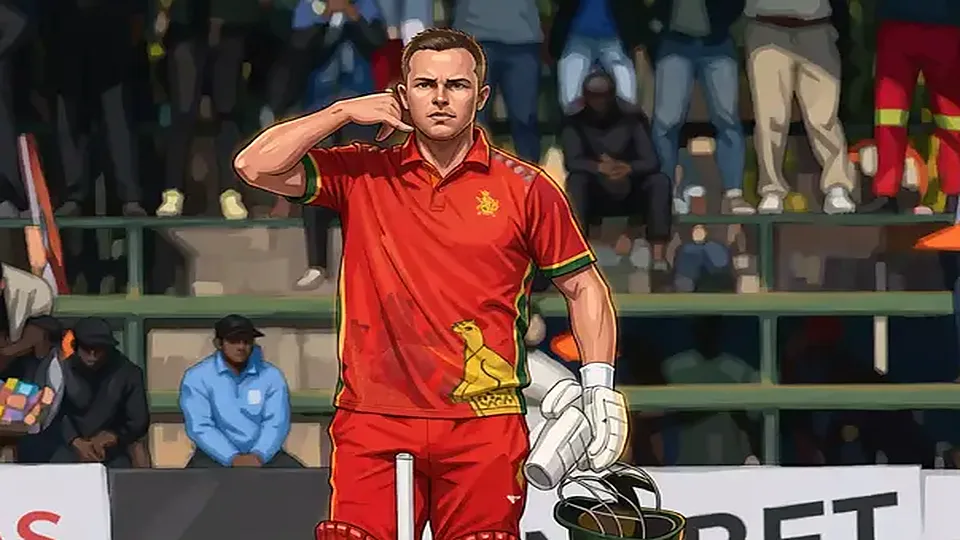
The wicket was a typical red-soil trap. By the fourth over, the ball wasn't just swinging; it was jaggedly biting into the surface, making a mockery of the top order's footwork. Watching India slide to 84-6 in the first ten overs felt less like a competitive T20 and more like a Ranji grind gone wrong. The Kiwis didn't just bowl; they suffocated.
The Myth of the Powerplay Punch
We’ve grown accustomed to the fireworks. But against New Zealand, the fireworks were duds. The openers looked tentative, poking at deliveries that were clearly too wide to be dangerous. It was an exercise in hesitation. One doesn't simply 'settle in' during a T20 powerplay when the ball is skidding off a hard length. You either dominate or you disappear. India chose to disappear.
The dressing-room chatter during the break was reportedly frantic. Why the sudden lack of intent? Why the refusal to use the depth of the crease? It felt like a team playing for a draw in a format that demands a knockout blow.
A Middle-Overs Choke
The real carnage happened between overs 11 and 15. This is where India usually finds its rhythm, but the Kiwis had a different plan. They employed a restrictive line, bowling into the pitch and forcing the batsmen to manufacture shots that weren't there. The boundary-percentage plummeted. The dot-ball pressure mounted.
It was a tactical masterclass in restriction. While the fans in the stands were distracted—some scrolling through the latest jhandi munda real cash apk for a quick flutter—the New Zealand bowlers were systematically dismantling the Indian middle order. The lack of a rotating strike was glaring. It was a textbook middle-overs choke.
The Impact Player Gamble
Then came the Impact Player call. A gamble that felt more like a desperation move than a strategic pivot. Bringing in an extra spinner on a track that had already slowed down seemed redundant. The pitch wasn't turning enough to justify the move, yet it was too slow for the seamers to find any genuine zip. The result? A bloated scorecard with no real penetration.
"We knew the surface would hold, but we didn't expect the batters to make it so easy for us," a New Zealand camp source whispered post-match.
Death Bowling and the Dew Factor
Bowling at the death is an art, and India's execution was sloppy. The dew factor after 8:30 PM IST turned the ball into a soap bar. Yorkers became full tosses. Slower balls became predictable. The lack of variation was staggering. When you give a set Kiwi batsman a low full toss on a dew-laden outfield, you aren't bowling—you're gifting.
Here is how the tactical breakdown looked on paper:
| Phase | India's Approach | NZ's Counter |
|---|---|---|
| Powerplay | Passive/Defensive | Aggressive Seam |
| Middle Overs | Stagnant Strike | Restrictive Lines |
| Death Overs | Lack of Variation | Clinical Hitting |
The Road to the Second T20I
The series isn't over, but the wake-up call is loud. India cannot rely on individual brilliance when the opposition is playing a collective game of chess. The technical flaws are obvious: the footwork is lazy, the intent is missing, and the tactical flexibility has evaporated. If the Mumbai desk has learned anything over fifteen years, it's that complacency is the quickest route to a series defeat.
Fix the intent. Sort the death bowling. Otherwise, the rest of this tour will be a very long, very quiet flight back home.
Related coverage
- India's Home Season Set: The 2026-27 Schedule and New Betting Hype
- NZ Opt to Bowl 5th ODI: Siraj, Thakur In; Tickner, Duffy Out

Updated 2026-11-17 · Instant Rupee Deposits & 60s Withdrawals · 24/7 Support.
Access Official Shavian Portal →Senior Match & Odds Strategist · Mumbai Desk
Manish Patel has covered Indian cricket and digital sports from Mumbai for over a decade. At Shavian (shaviancockers.com), he leads investigative coverage on jhandi munda real cash apk, live match dynamics, and tournament strategy.
Reader Discussion & Match Reactions (7)4.8★ Community (7 Comments)
Verified Indian cricket reader perspectives & tactical debate on shaviancockers.com
Comparing this collapse to a Ranji grind is a wake-up call. Our top order is forgetting the basics of red-soil play that domestic stalwarts master every season in the state circuits.
84-6 in the first ten overs is an absolute disaster for any T20 side. The boundary-percentage plummeting between overs 11 and 15 proves the Kiwis completely neutralized our middle-order strike rates.
The 'lack of intent' isn't a player issue; it's a selection failure. Why are we still picking players who can't handle a hard length when the board claims to prioritize T20 aggression?
It is alarming how the top order struggled with footwork on a red-soil trap. We need more players from the domestic grind who are actually comfortable with jagged movement.
The telemetry here is brutal. Losing six wickets before the ten-over mark means the depth of the crease was ignored, leading to a total tactical failure in the powerplay.
The author mentions the dressing room was frantic, but the real issue is the mindset. Playing for a draw in a T20 shows a systemic fear of failure rooted in BCCI's rigid culture.
@Anirudh_Guwahati Exactly, the Ranji comparison is key. It's wild that the Kiwis used a restrictive line between overs 11 and 15 to force shots that simply weren't there.
Join the Discussion (7 Reader Comments)
Related Articles
See All
Weatherley 88* sets standard as Hampshire sweep past Notts
Jul 19, 2026