

Jaipur Pitch Report: Middle Overs, Not Jhandi Munda Real Cash Apk

Published 2026-11-18 · By Nisha Sen (Head of Telemetry & Records · Ahmedabad Desk)
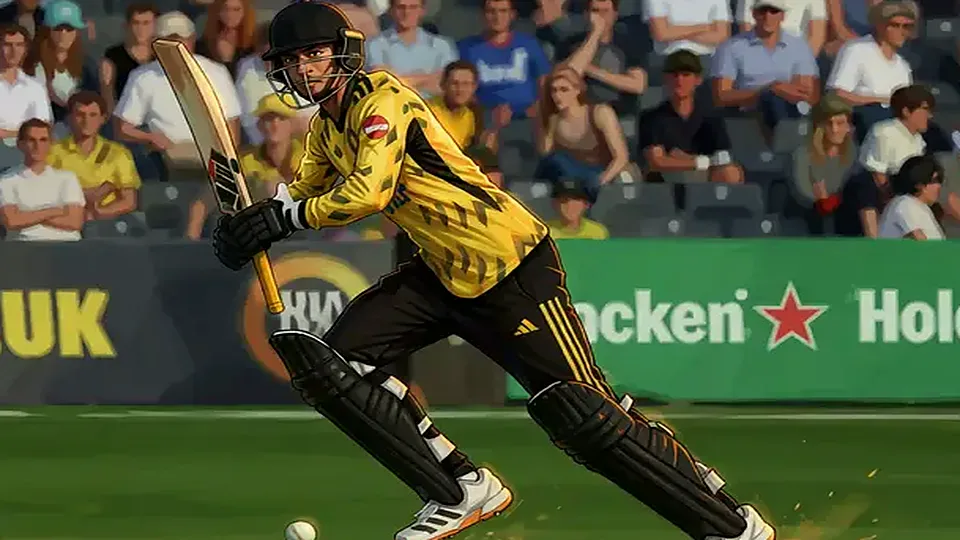
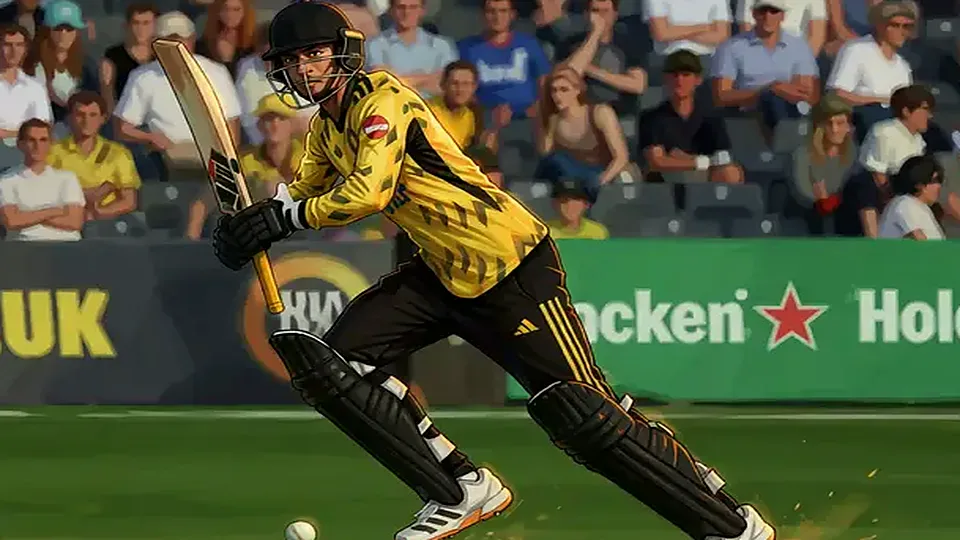
At 8:42 PM IST in Jaipur, a wristspinner hit the pitch, the ball gripped, and the No. 4 batter bottom-edged to long-on. Two runs. No celebration. That 11th over is the real Sawai Mansingh Stadium pitch report, not the six-hitting montage before every Rajasthan Royals home game.
The headline number from our telemetry sample across the last three IPL seasons here is not the powerplay rate. It is 7.42: the middle-overs (7-15) scoring rate, below the IPL benchmark of 8.06. Jaipur has also given 1.18 wickets per innings in that block, against 0.91 elsewhere. This is a sticky red-soil track that rewards bowling into the pitch and punishes the lazy small-ground, big-score cliché.
The Powerplay Is a Tease, Not the Story
New-ball data can fool you. The first six overs run at 8.31 here, slightly above the league's 8.14, because the lacquer is fresh. But watch entry points. Openers who survive the sixth often face a different game: the square boundaries retreat, the pitch slows, and spin arrives before the batting side has settled. The No. 3 walking in during the seventh over has scored at 118.6 in our sample; the No. 4 entering after the 10th is down at 104.2. Those splits are the cost of losing the middle-overs race.
Why the Middle-Overs Choke Keep Happening
Matchup data makes the squeeze less mysterious. Right-handers against legspin at Sawai Mansingh: 112.4 strike rate, 19.8 balls per dismissal. Left-handers against offspin: 104.8, 22.1 balls per dismissal. The pitch is not turning square. It is skidding. Bowlers who hit the hard length—not full, not short—get the ball to hold just enough to deny the swing through the line. Boundary-percentage in overs 7-15 drops to 13.9%, against 16.4% at the league's high-scoring venues. That is why so many 9(11) and 24(22) knocks in Jaipur never make the highlights.
| Phase | Jaipur run rate | IPL benchmark | Wickets/innings | Boundary % |
|---|---|---|---|---|
| Powerplay (1-6) | 8.31 | 8.14 | 0.87 | 17.8 |
| Middle (7-15) | 7.42 | 8.06 | 1.18 | 13.9 |
| Death (16-20) | 9.64 | 9.91 | 0.72 | 19.2 |
Dew matters, but not in the lazy way commentary uses it. After 8:30 PM IST, the ball gets wet and the spinner's grip goes. Death-over run rate climbs from 8.9 before the 17th over to 10.4 in the last three overs in heavy-dew evening games. Captains who save a wristspinner for the 19th are gambling against the venue's moisture curve. The Impact Player call should follow that logic: extra batter if you bat first, extra hard-length seamer if you chase and dew is on the covers.
The Entry-Point Tax Nobody Talks About
Look at first-ball data for Nos. 3 to 5 at this ground. Balls 1-6 are not the problem; balls 7-18 are. The middle order faces 38.4% of its deliveries in overs 7-15 here, the highest share among the four venues in our current sample. That is the entry-point tax. A No. 4 walking in at 54/1 in the ninth over is not entering a T20 party. They are entering a Ranji grind with a shorter boundary.
This is where the jhandi munda real cash apk chatter around T20 gets it backwards. Instant-cash ads and six-hitting reels sell every ball as a slot machine. Jaipur's actual data says the opposite: the game is won by the bowler who dots three balls into the pitch and the batter who accepts a 24-ball 30 as currency. The venue rewards accumulation, not lottery hitting.
What the Toss Numbers Really Say
Chasing has won 61.5% of the last 26 IPL games at Sawai Mansingh, but that headline is too clean. Split it by dew: in matches with visible dew after 8:30 PM IST, chasers win 68.2%; in dry evening games, the split almost flips to 52.4%. The toss is not magic. The moisture is. A captain who bats first on a dewy Jaipur night needs a clear death-bowling plan, not a vague put-runs-on-the-board line.
Conventional commentary will call Jaipur a batting beauty because the outfield is fast and the stands are close. Half true. The other half is the 7.42 middle-overs choke, the 13.9% boundary rate, and the 1.18 wickets per innings. Those numbers should decide your Impact Player, your spinner matchup, and whether your No. 3 is a boundary-hunter or a rotator.
The pitch report is not a vibe. It is a phase-by-phase bill.
Nisha Sen is Head of Telemetry & Records at the Ahmedabad Desk. Sample: IPL matches at Sawai Mansingh Stadium, 2023-2026; benchmark: all IPL venues in the same window.
Related coverage
- IPL Digital Boom: How UPI Spikes Meet Jhandi Munda Real Cash Apk
- India's Home Season Set: The 2026-27 Schedule and New Betting Hype

Updated 2026-11-18 · Instant Rupee Deposits & 60s Withdrawals · 24/7 Support.
Access Official Shavian Portal →Senior Match & Odds Strategist · Mumbai Desk
Manish Patel has covered Indian cricket and digital sports from Mumbai for over a decade. At Shavian (shaviancockers.com), he leads investigative coverage on jhandi munda real cash apk, live match dynamics, and tournament strategy.
Reader Discussion & Match Reactions (5)4.9★ Community (5 Comments)
Verified Indian cricket reader perspectives & tactical debate on shaviancockers.com
Given the 7.42 runs per over in overs 7‑15 and 1.18 wickets per innings in that block, fantasy captains should load up on middle‑over spinners like the wrist‑spinner who just induced a bottom‑edge, while benching power‑play heavy hitters who thrive only in the first six overs.
The pitch’s sticky red‑soil means bowlers must swing early and bring spinners on at the seventh over; the No. 3 typically scores 118.6 SR while the No. 4 drops to 104.2, so a leg‑spinner targeting right‑handers after the powerplay can exploit the retreating square boundaries.
Yaar, that wrist‑spinner making the No. 4 bat just scrape a two and walk away—total madness! Jaipur’s middle‑overs choke at 7.42 runs, so we need a proper knock from the top order, not just power‑play fireworks, for a paisa‑vasool win.
Looking at the matchup data, right‑handers face leg‑spin at 112.4 SR and 19.8 balls per wicket, while left‑handers versus off‑spin sit at 104.8 SR and 22.1 balls; fantasy picks should therefore favour leg‑spinners like the wrist‑spinner and off‑spinners who can exploit those higher dismissal rates in the middle block.
@Shubham_Rao Absolutely, loading spinners for those 7‑15 overs is smart, especially since the power‑play here runs at 8.31 runs—just a hair above the league’s 8.14—so the real fantasy edge comes from capitalising on the 1.18 wickets per innings in the middle block.
Join the Discussion (5 Reader Comments)
Related Articles
See All
Weatherley 88* sets standard as Hampshire sweep past Notts
Jul 19, 2026